What you need to know — from symptoms and causes through to the procedure, recovery, and everything in between.
Book Free ConsultationWisdom teeth — also called third molars — are the last teeth to develop, typically appearing between the ages of 17 and 21. Most people have four wisdom teeth, one in each corner of the mouth.
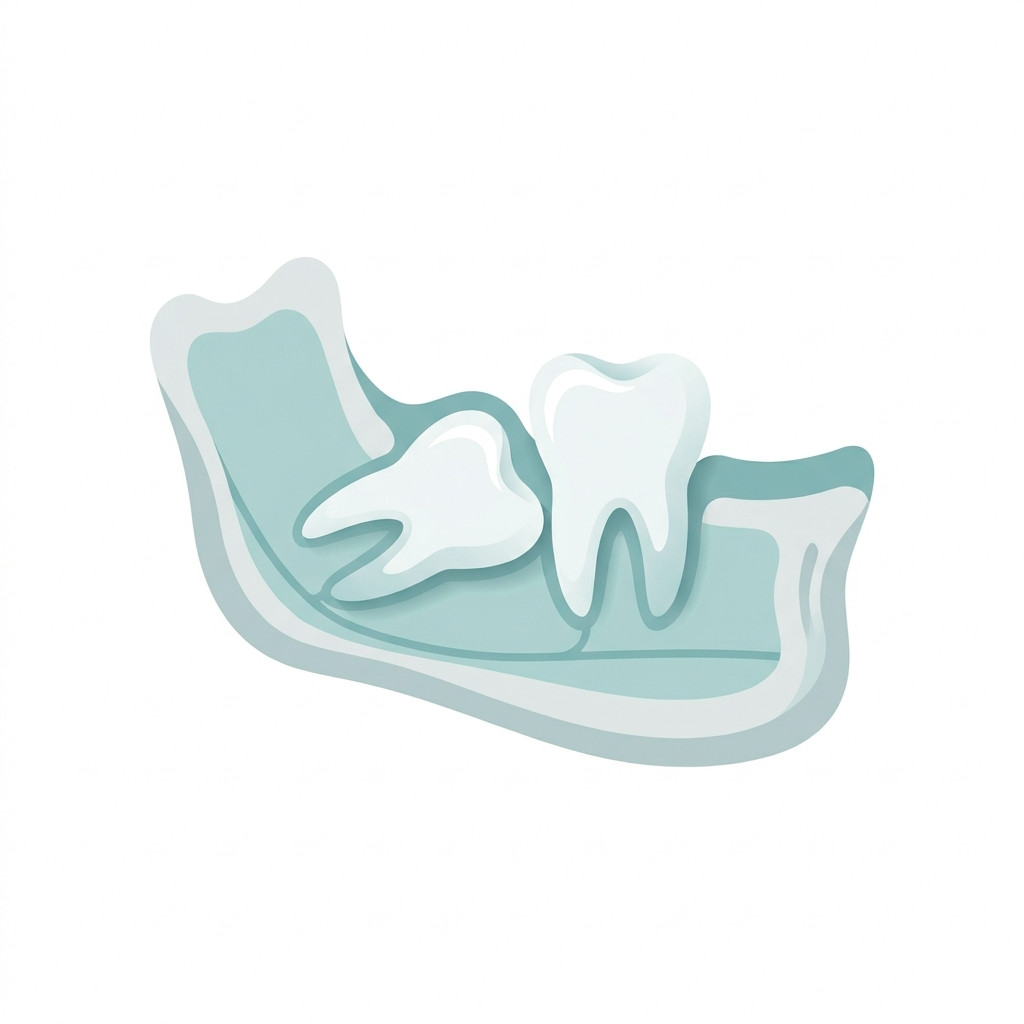
When wisdom teeth grow in correctly and there is enough space in the jaw, they can function like any other molar. However, in many cases there isn't enough room for them to erupt fully, leading to what's known as impaction.
According to the Australian Association of Oral and Maxillofacial Surgeons, over 90% of Australians have at least one impacted wisdom tooth. Early assessment — ideally in the late teens or early twenties — can help prevent more complex issues later.
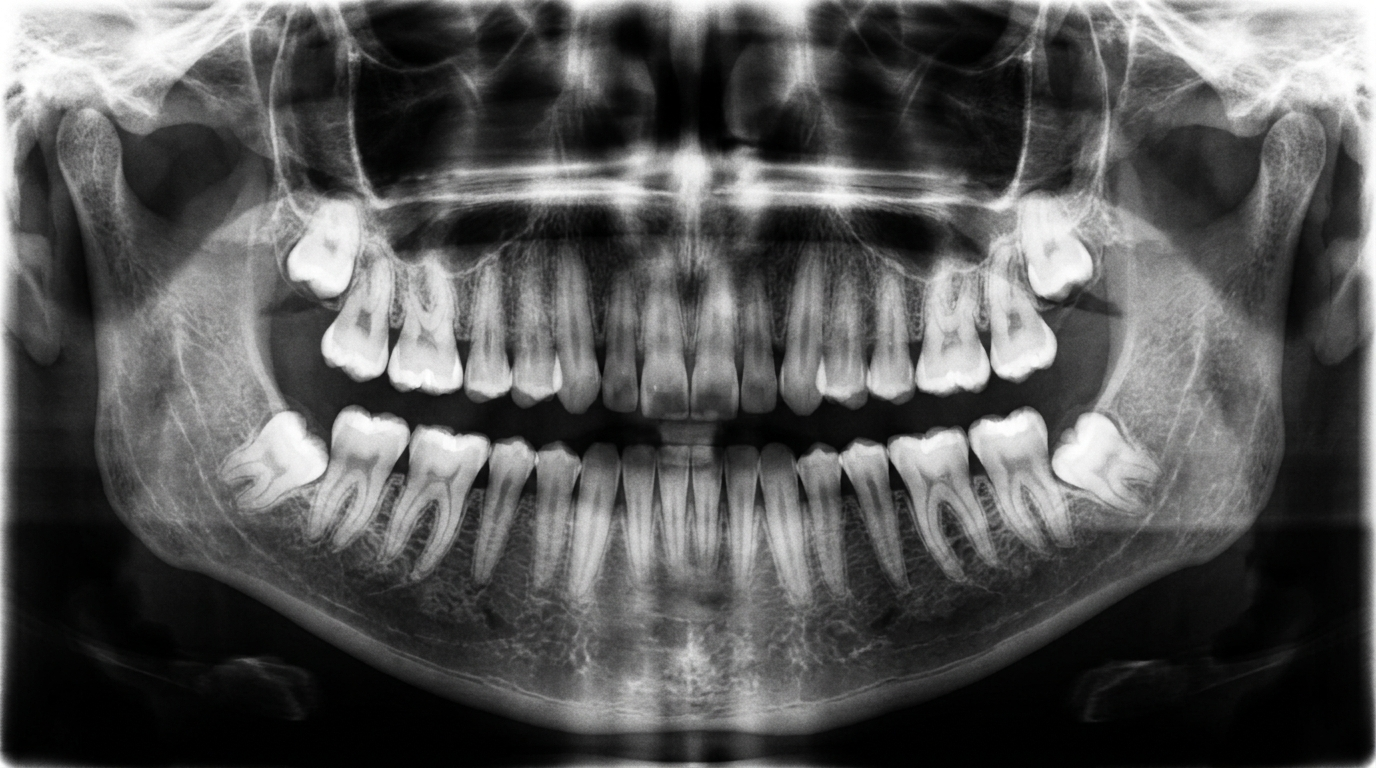
Panoramic X-Ray (OPG) — Wisdom Teeth Visible
Not everyone needs their wisdom teeth removed. Your dentist will assess your individual situation and recommend extraction only when clinically appropriate.
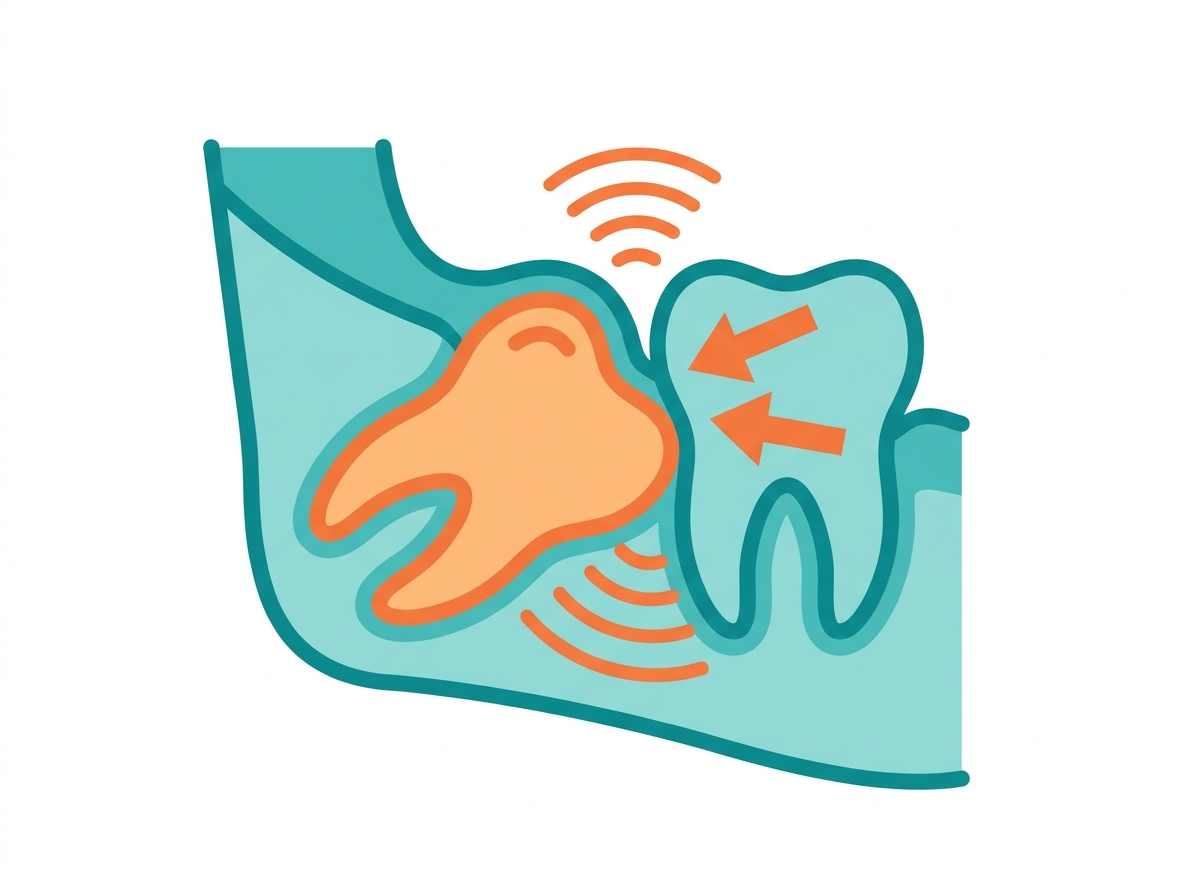
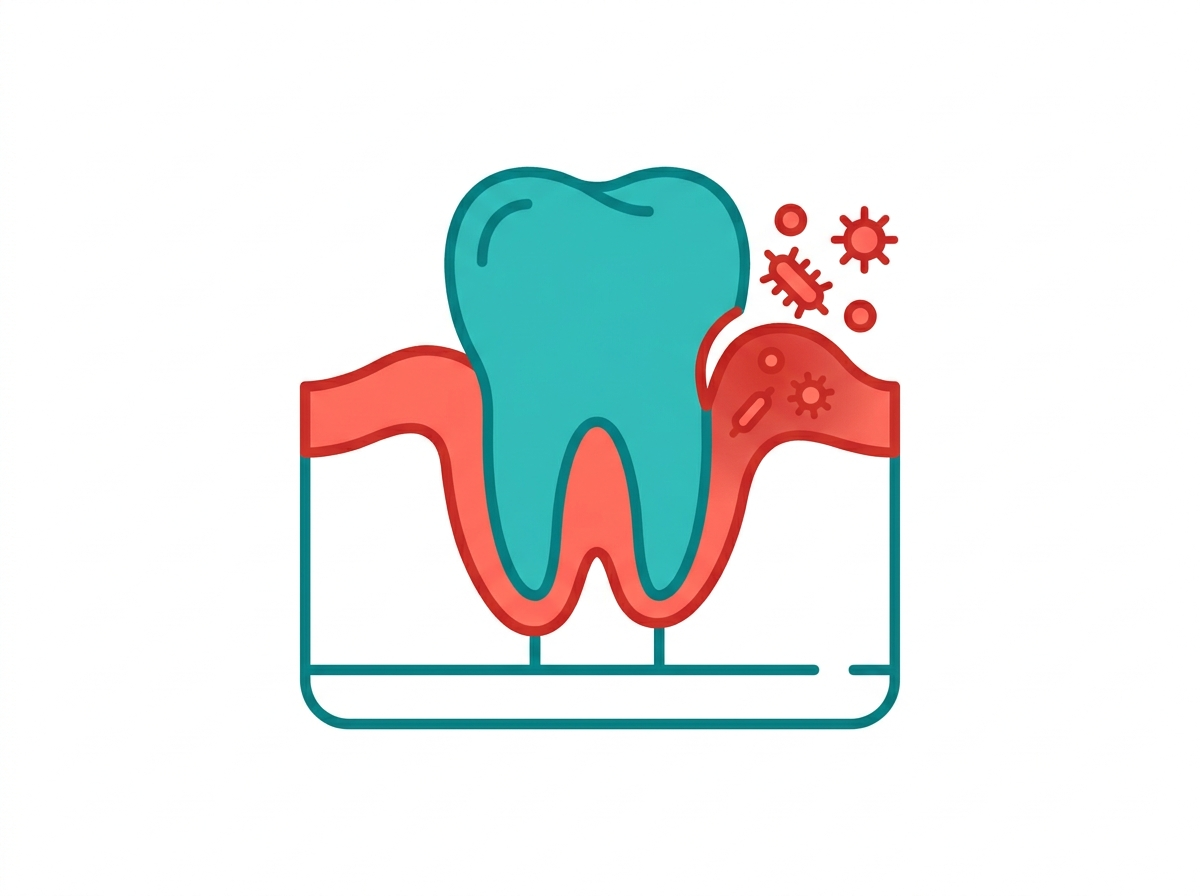
A partially erupted wisdom tooth creates an opening for bacteria to enter, causing localised infection (pericoronitis) — often accompanied by pain, swelling, and difficulty opening the mouth.
Impacted wisdom teeth can press against neighbouring teeth, causing chronic jaw pain, headaches, and referred pain into the ear or neck.
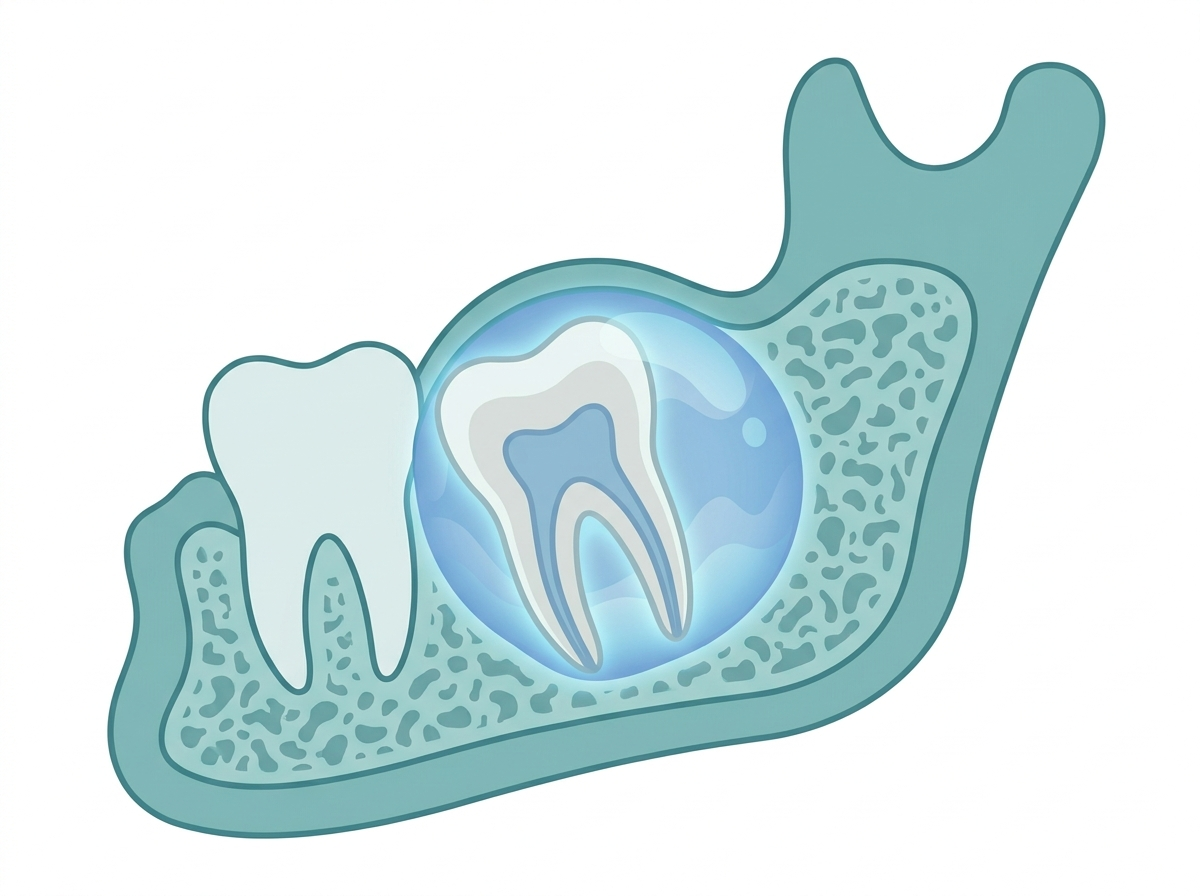
An impacted wisdom tooth can develop a fluid-filled sac (cyst) around it that, over time, may damage surrounding bone, teeth, and nerves.
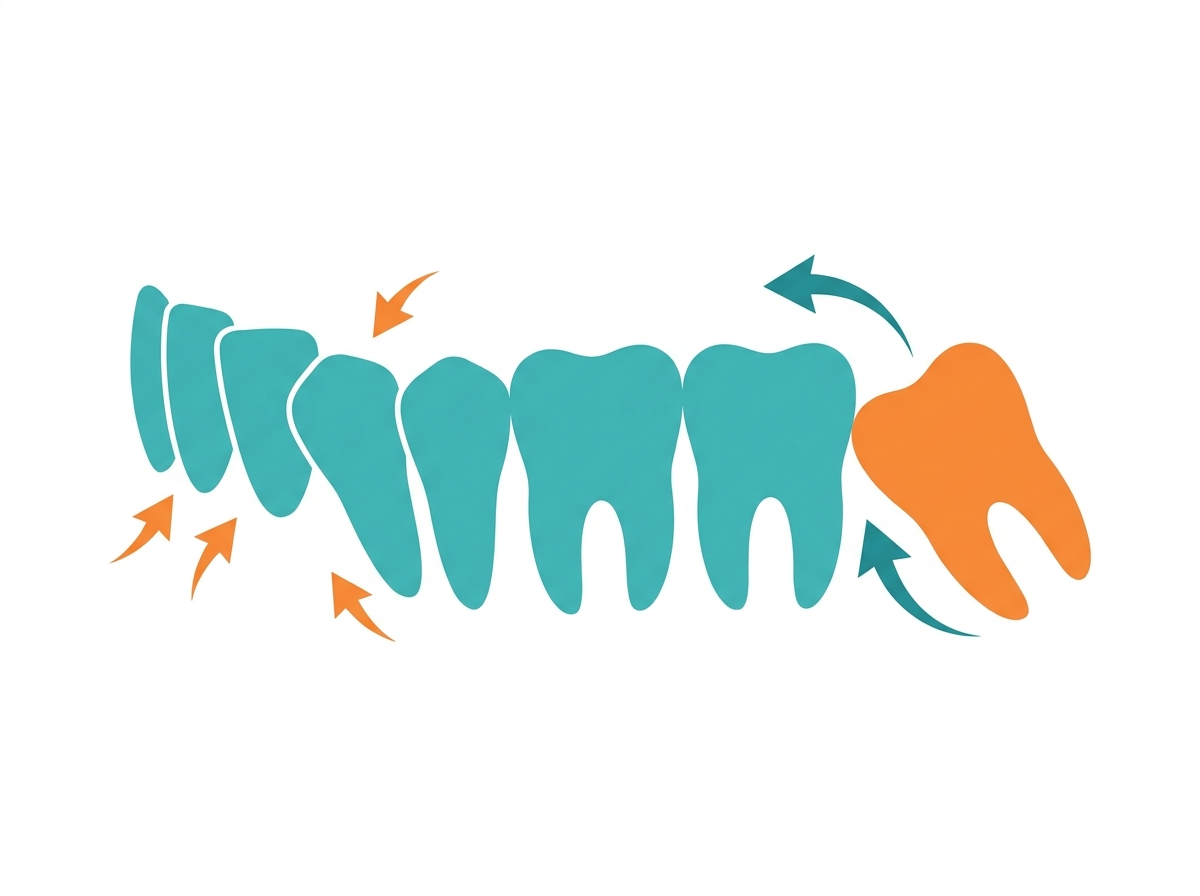
Erupting wisdom teeth can push neighbouring teeth out of alignment, undoing previous orthodontic treatment and affecting your bite.
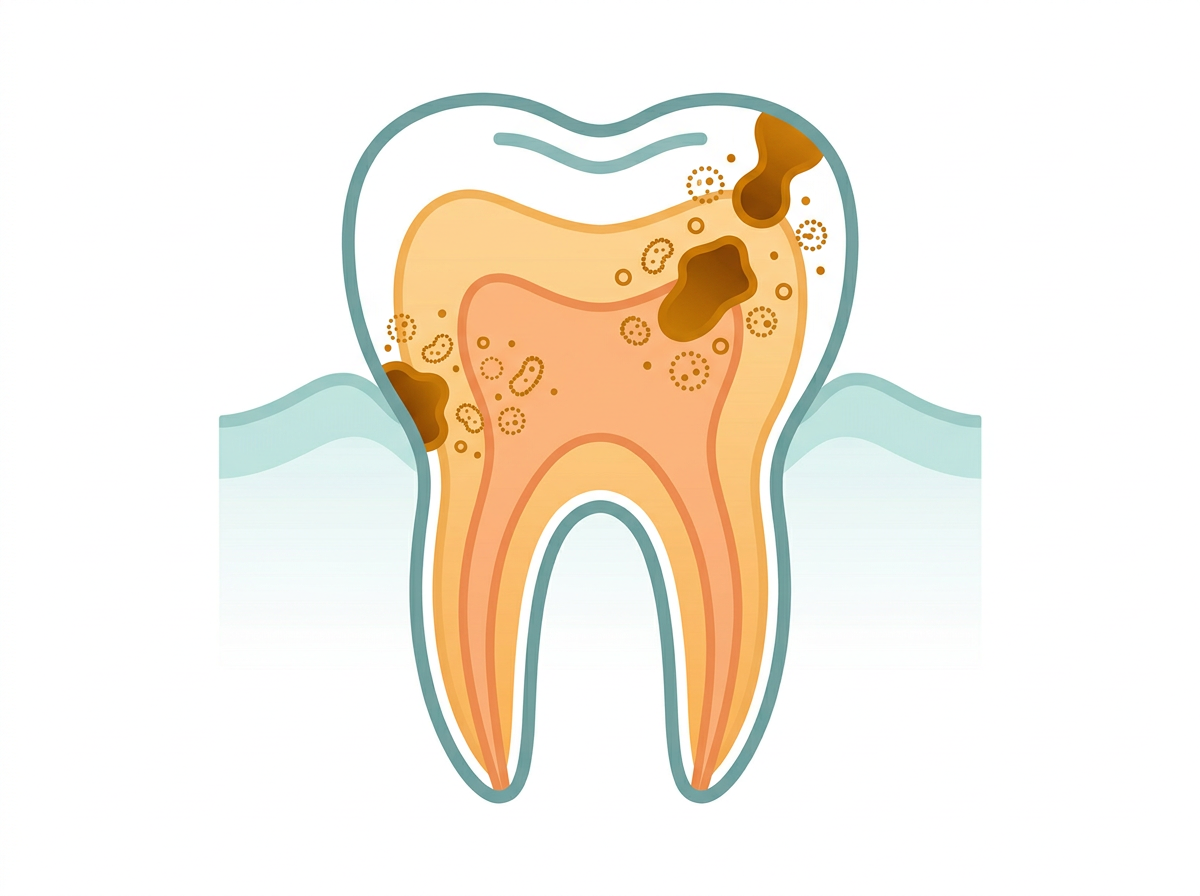
Wisdom teeth are difficult to clean due to their position at the back of the mouth. Food and plaque can accumulate, leading to cavities in both the wisdom tooth and the adjacent molar.
Some patients choose removal before problems arise — particularly in the late teens or early twenties when healing is typically faster and the tooth roots are not yet fully formed.
The type of impaction influences the complexity of extraction and the sedation approach your dentist recommends.
The tooth grows in a normal upright position. Often the least complex extraction — may require only local anaesthetic.
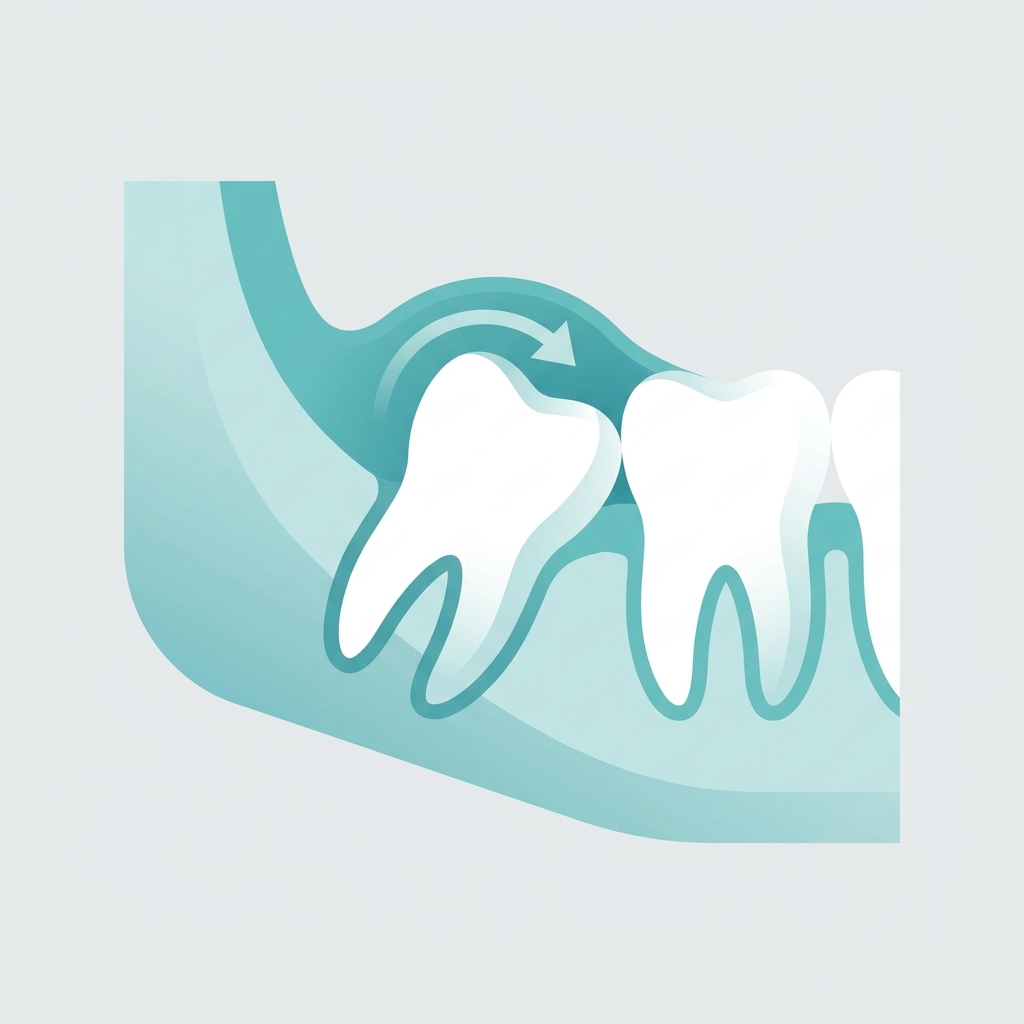
The tooth tilts toward the front of the mouth, pressing on the adjacent molar. A very common impaction type.
The tooth angles toward the back of the mouth. Less common, and extraction complexity varies.
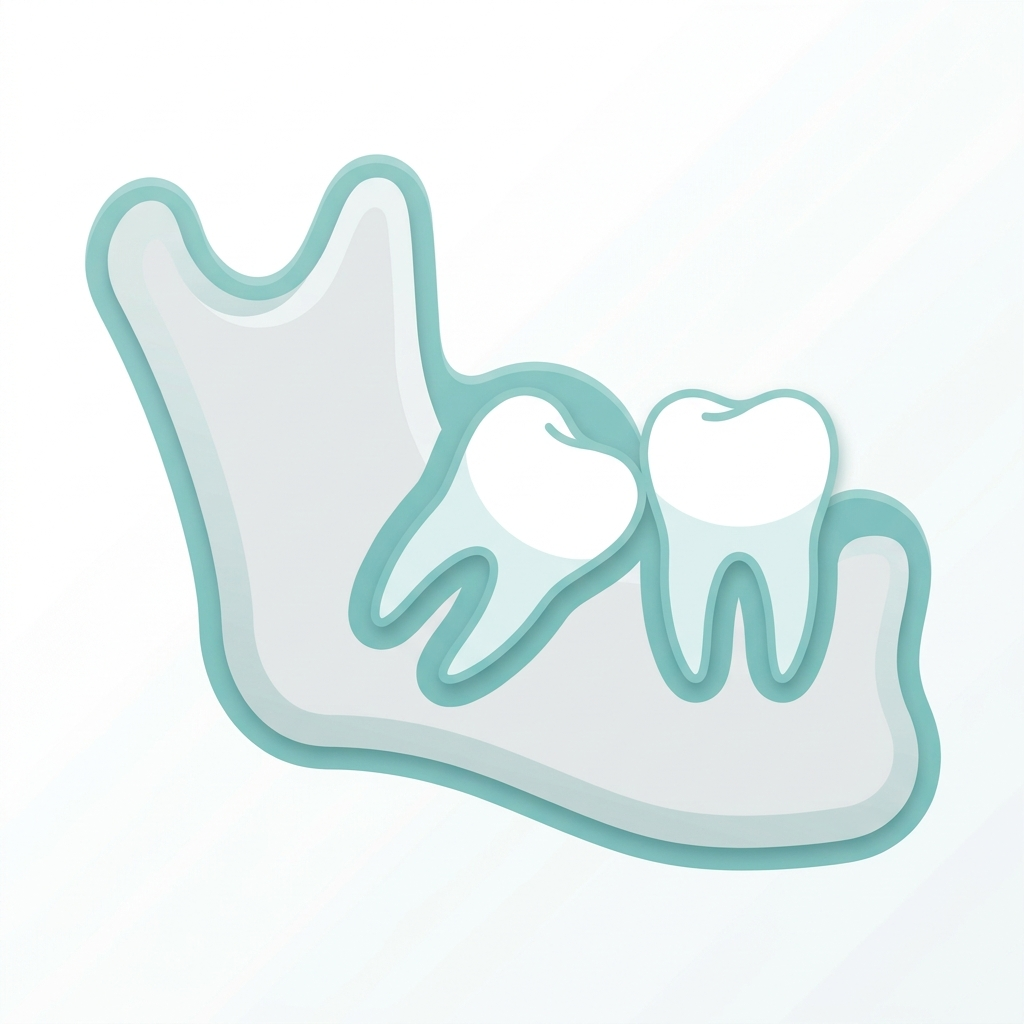
The tooth grows sideways, directly into the adjacent molar. Often the most complex — IV sedation is frequently recommended.
Your dentist will assess your specific impaction type using X-rays at your consultation.
Every step is designed to keep you informed, comfortable, and confident throughout.
Your dentist examines your mouth and takes X-rays to assess the position, angle, and root development of your wisdom teeth. They discuss your clinical situation and all available options — including sedation.
If sedation is chosen, you will receive specific pre-operative instructions, including fasting requirements. You will also need to arrange for someone to collect you after the procedure.
Local anaesthetic is administered to numb the area. If twilight or IV sedation was selected, this is administered at this stage so you remain comfortable and relaxed throughout.
Your dentist carefully removes the wisdom tooth or teeth. Depending on complexity, a small incision in the gum or sectioning of the tooth may be required. You should feel pressure but not pain.
You will rest in the clinic until it is safe for you to leave. We provide comprehensive written aftercare instructions and schedule a follow-up to check your healing progress.
Most patients recover comfortably within a few days to a week, though individual healing times vary.
Contact our clinic promptly if you experience: excessive or prolonged bleeding; severe pain that is worsening rather than improving after the first few days; fever; significant swelling or discharge. Call 08 9020 7035 during business hours.
Our experienced team is here to assess your wisdom teeth and walk you through all available options. Consultation and X-rays included in the $1,400 price.*
Book Online